
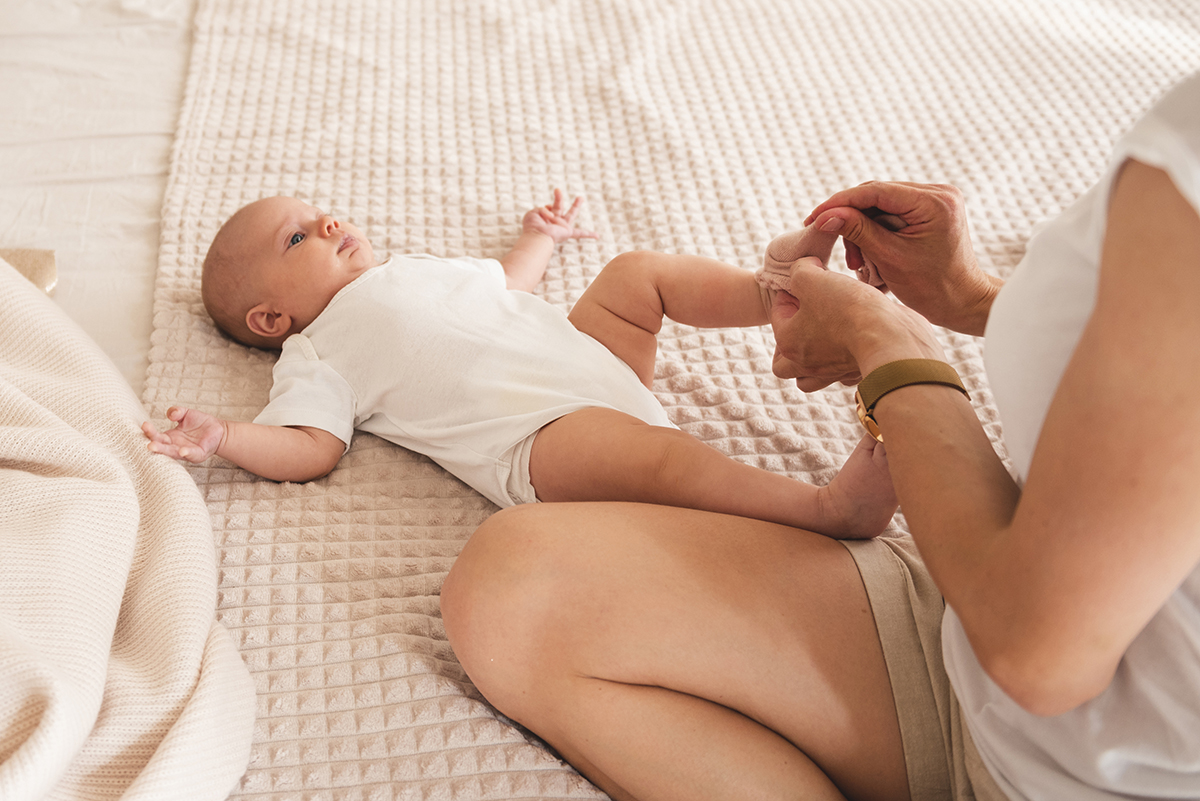
Dressing your newborn baby can feel like a delicate task.
They seem so small and fragile, and you want to ensure they are perfectly comfortable, not too hot nor too cold.
This guide will provide some practical, reassuring advice to help you navigate those first few weeks with confidence.
The Golden Rule: Layer for the Weather
The most important principle is to dress your baby in layers.
This allows you to easily add or remove a layer to keep them at a comfortable temperature.
A good rule of thumb is to dress your baby in one more layer than you are wearing yourself.
- Choosing the Right Clothes
- Opt for Softness and Simplicity:
Look for clothes made from natural, breathable fabrics like cotton or bamboo.
These are gentle on your baby’s sensitive skin and help to regulate their body temperature. - Prioritize Practicality:
Choose clothes that are easy to get on and off. Look for features like:
Envelope necks on vests and babygrows to make pulling them over the head easier.
Popper fastenings (snaps) all the way down the legs and at the crotch for easy nappy changes.
Wide, stretchy necklines. - Avoid Overheads:
While sleepsuits (babygrows) with built-in feet are fantastic, try to have a selection that don’t always require pulling something over your newborn’s head, as this can be unsettling for them.
- Opt for Softness and Simplicity:
- A Step-by-Step
- Lay Everything Out:
Have the clean nappy and all the items of clothing ready before you start.
Never leave your baby unattended on a changing surface. - Start with the Vest:
A short or long-sleeved vest is the essential first layer.
Gently stretch the neckline, put it over the back of your baby’s head, and then guide their arms through the sleeves.
Fasten the poppers at the crotch. - Add the Outer Layer:
This could be a sleepsuit (babygro) or a stretchy all-in-one suit.
Lay your baby on top of it and gently guide their arms and legs into the sleeves and legs.
Do the poppers up from the bottom upwards – it’s often easier. - For Cold Weather:
Add extra layers such as a cardigan or a pramsuit if you are going outside.
A hat is essential outdoors in cooler weather to prevent heat loss, but always remove it once you go indoors or get in the car to avoid overheating.
- Lay Everything Out:
- How to Check Their Temperature
Your baby’s hands and feet are not a good indicator of their core temperature, as their circulation is still developing.- Instead:
Feel their chest or the back of their neck.
This will give you a much more accurate reading. - Look for other signs:
A baby who is too hot may be flushed, damp with sweat, or have damp hair.
A baby who is too cold may have cool, blotchy skin and may be unusually fussy or lethargic.
- Instead:
- Safe Sleep and Outdoor Attire
- For Sleep:
The Lullaby Trust, a leading British charity for safer sleep, advises that babies should sleep in the same room as you for the first six months.
Place them on their back in a clear cot or Moses basket.
Use a well-fitting baby sleeping bag (with armholes and no hood) as a safe alternative to loose blankets, as it cannot kick off. If using blankets, use lightweight, breathable layers and tuck them in firmly below shoulder level, with the baby’s feet at the foot of the cot to prevent wriggling down under the covers. - For the Pram:
In winter, a footmuff is an excellent way to keep your baby warm without the risk of loose blankets.
In summer, use a sunshade on the pram at all times and dress them in light, loose layers.
Never cover the pram with a blanket or muslin to shade the baby, as this traps heat and dramatically increases the risk of overheating.
- For Sleep: