
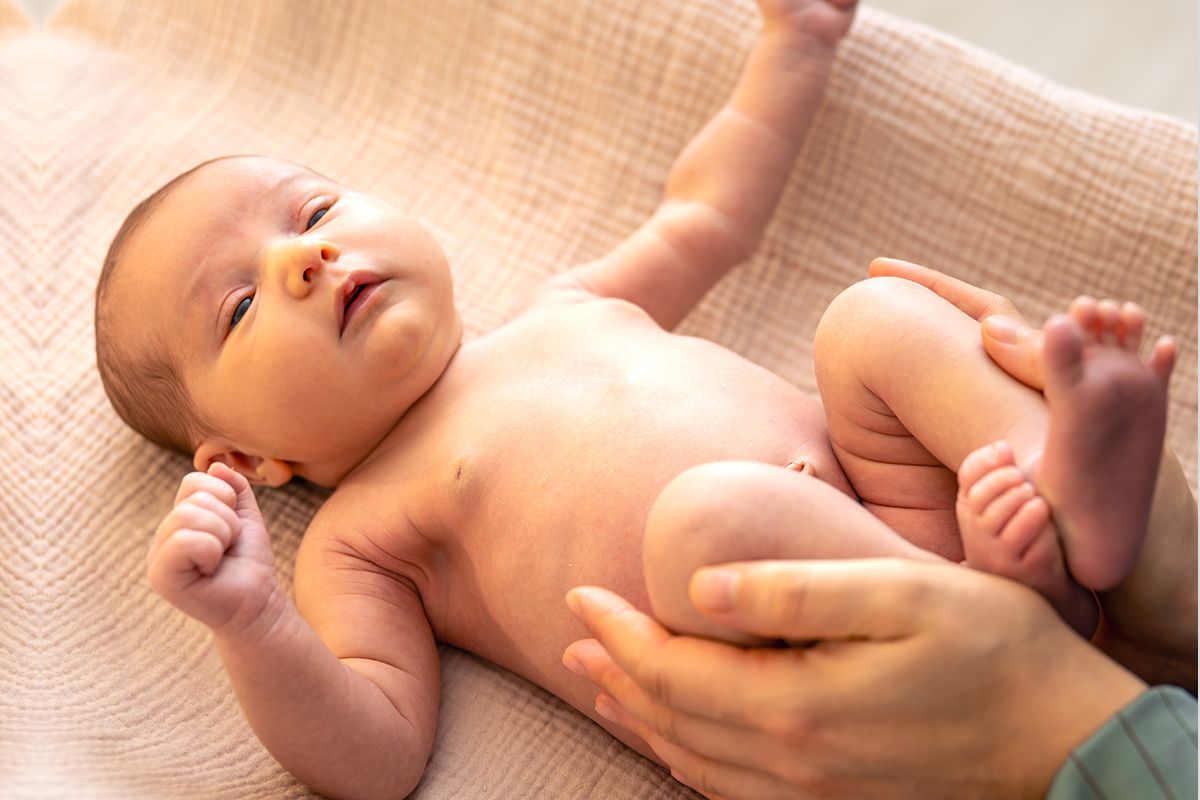
The Soothing Art of Shantala: A Cherished Ritual for Your Baby’s Wellbeing
In the whirlwind of early parenthood, finding moments of deep, calming connection with your new baby is precious.
One ancient practice, known as Shantala baby massage, offers a beautiful way to forge this bond while conferring a host of profound benefits for your little one’s physical and emotional development.
Originating from the traditional nurturing techniques of India, this rhythmic, intentional form of touch is more than just a massage; it is a language of love and security.
What is Shantala?
Shantala is a specific sequence of massage strokes, traditionally performed with the baby lying on the practitioner’s outstretched legs.
It involves gentle, yet firm and rhythmic movements, using a natural oil like organic coconut or cold-pressed almond oil.
The practice is characterised by its flowing, repetitive motions that are performed with full presence and attention, turning it into a meditative ritual for both parent and child.
Key Benefits for Your Baby
The advantages of incorporating Shantala into your baby’s routine are wide-ranging and well-supported by both anecdotal evidence and growing scientific research:
- Promotes Relaxation and Improves Sleep:
The rhythmic, calming strokes work to regulate the baby’s nervous system.
This helps to lower cortisol (the stress hormone) levels and increase oxytocin (the bonding hormone), leading to a more relaxed, contented baby.
This state of tranquillity is a well-known precursor to longer and more restful sleep, a benefit every parent cherishes.
- Eases Digestion and Relieves Discomfort:
The specific strokes used on the baby’s abdomen are excellent for aiding digestion.
Gentle clockwise motions follow the path of the colon, helping to move trapped wind and relieve the symptoms of colic, constipation, and general tummy upset.
This can bring significant relief to babies struggling with these common issues.
- Stimulates Circulation and Lymphatic System:
The massage encourages healthy blood flow throughout the body, ensuring oxygen and nutrients are efficiently delivered to developing tissues.
The gentle pressure also aids the lymphatic system in flushing out toxins and supporting a robust immune response.
- Enhances Body Awareness and Sensory Integration:
For a newborn, the world is a barrage of new sensations.
Massage provides structured, positive tactile input, which is crucial for helping them understand their own body boundaries and integrate sensory information.
This can be particularly beneficial for their neurological development.
- Strengthens the Parent-Child Bond:
Perhaps the most significant benefit is the strengthening of the emotional attachment between you and your baby.
Through sustained eye contact, soft talking or singing, and responsive touch, you build a deep foundation of trust and security.
Your baby learns that you are a source of comfort and love, which is fundamental to their emotional wellbeing.
A Note for Parents
Shantala is not a complicated technique to learn, but it is best taught by a qualified instructor to ensure you are confident with the strokes and pressure.
Always ensure your baby is in a quiet, alert state and never massage them if they are unwell, straight after a feed, or if they are clearly not enjoying it.
Follow your baby’s cues—this should be a pleasurable experience for you both.